
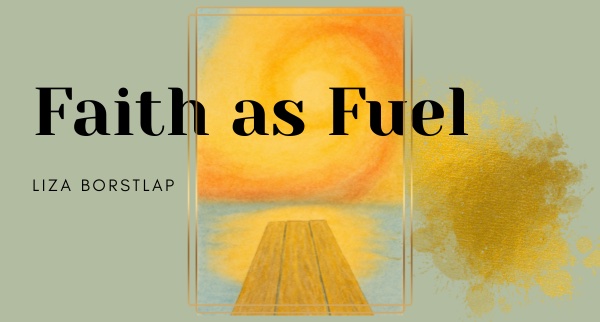
In busy work environments we often equate productivity with poise. Polished leaders are praised for holding steady, for carrying confidence into every room. Yet beneath a composed surface, unacknowledged feelings – grief, frustration, fear, exhaustion, even quiet hope – can quietly erode focus, fracture relationships, and thin the reserves that sustain long-term wellbeing.
Emotional clarity is not about airing every feeling or becoming unmoored by emotion. It is the disciplined practice of noticing what we carry, naming it with honesty, and choosing how to act from that knowledge. When leaders do this, their presence becomes steadier, decisions clearer, and teams safer.
The impact of hidden emotion on teams
Decision quality declines when leaders unconsciously react from fear or avoidance rather than from informed discernment.
Trust erodes when colleagues sense dissonance between what is said and how a leader moves through stress.
Productivity suffers because energy leaks into emotional management rather than creative work.
Resilience weakens as unresolved emotion accumulates and small stresses compound into burnout.
Emotional clarity protects against these slow leaks. It converts internal noise into usable information.
Practical ways to build emotional clarity
Pause before meetings: take one intentional breath and ask, What am I bringing into this room?
Name one emotion privately or aloud: a single word loosens the knot and creates choice.
Translate feeling into need: if you feel overwhelmed, name the need for clarity, delegation, or time.
Short check-ins with your team: model transparency by naming pressure points and inviting practical solutions.
Ritualize reflection: five minutes at day’s end to note one emotional pattern and one corrective action.
These practices are small and repeatable. Over time they recalibrate how a leader shows up – less auto-pilot, more intentional engagement.
Faith as fuel for emotional clarity
Faith does not ask us to bypass feeling or display unflappable strength; it offers a grounding resource for honest interior work. When faith is treated as fuel it:
Provides a moral compass that helps translate emotion into ethical action.
Offers a language of meaning that reframes hardship and reduces despair.
Invites surrender without resignation – we hold feelings honestly while trusting in something larger than our immediate control.
Sustains endurance when outcomes are uncertain and decisions are costly.
In corporate cultures that valorize personal grit, faith adds depth to resilience. It shifts the frame from performing perfection to stewarding responsibility – with humility, courage, and grace.
A short invitation
This November, carve out a few honest minutes for reflection. Answer these for yourself: What emotion are you carrying into your next meeting? How might naming it change your approach? If you lead from a place shaped by faith, how does that trust alter the way you act under pressure?
Emotional clarity is not a soft skill. It is the practice that keeps leadership humane, strategic, and sustainable. If this resonates, I’d love to hear one small practice you’ll try this week.