

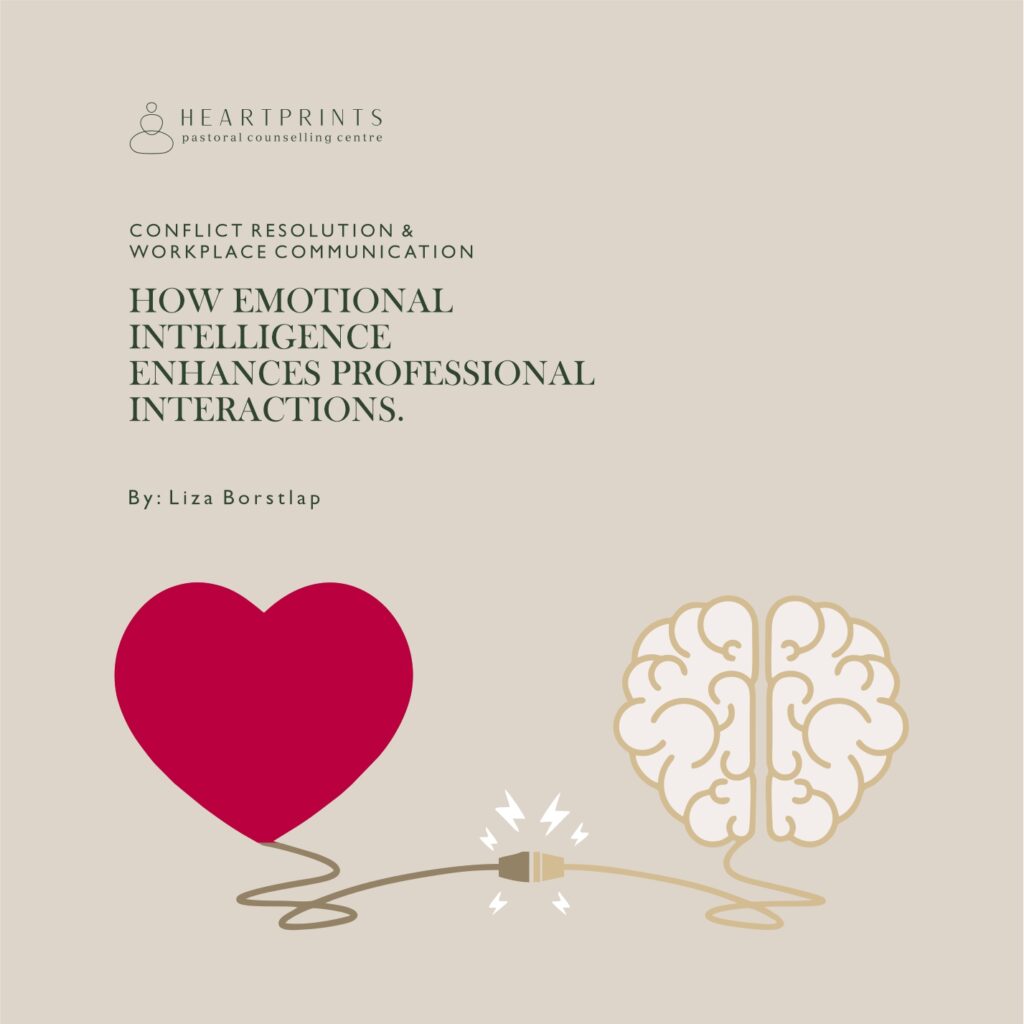
In the fast-paced world of professional communication, emotional intelligence (EQ) plays a crucial role in fostering meaningful interactions, building trust, and navigating complex workplace dynamics. While technical expertise and industry knowledge are essential, the ability to understand, manage, and express emotions effectively is what truly sets professionals apart.
Understanding Emotional Intelligence
Emotional intelligence encompasses self-awareness, self-regulation, motivation, empathy, and social skills – all critical components for professional success. Unlike IQ, which measures cognitive abilities, EQ focuses on how individuals perceive and respond to emotions in themselves and others.
Enhancing Workplace Communication
- Improving Active Listening – Emotionally intelligent professionals prioritize listening with intent, creating space for open and honest conversations. This fosters understanding and ensures that colleagues and clients feel heard and valued.
- Navigating Conflicts with Empathy – Disagreements are inevitable in any workplace, but those with high EQ approach conflicts with empathy rather than defensiveness. They seek to understand different perspectives and work toward resolutions that benefit all parties.
- Encouraging Collaboration and Teamwork – Emotional intelligence cultivates a culture of trust and cooperation. Professionals who recognize and regulate their emotions contribute to a more harmonious and productive work environment, inspiring others to do the same.
Building Strong Leadership and Influence
Leaders with high emotional intelligence are not only skilled decision-makers but also compassionate mentors. They inspire confidence, encourage constructive feedback, and create environments where people feel psychologically safe to express ideas. EQ-driven leadership helps teams navigate uncertainty, adapt to challenges, and maintain morale even in high-pressure situations.
The Role of Emotional Intelligence in Client Relations
Strong professional interactions extend beyond workplace dynamics. In client-facing roles, emotional intelligence enhances relationship-building by allowing professionals to anticipate needs, communicate with warmth, and diffuse tense situations gracefully. Clients are more likely to remain loyal to businesses that prioritize emotional intelligence in their approach.
Emotional Intelligence as a Professional Advantage
As workplaces continue to evolve, emotional intelligence remains a vital asset. Whether communicating with colleagues, leading teams, or handling difficult conversations, professionals with well-developed EQ skills are equipped to handle challenges with resilience and grace.
Ultimately, emotional intelligence is not just a skill – it is a mindset that transforms professional interactions from transactional exchanges into meaningful relationships, enriching both careers and workplace cultures.
Take Your Professional Communication to the Next Level
At Heartprints Counselling Centre, our performance coaching is designed to refine your ability to communicate in the workplace effectively. We help professionals distinguish between conflict resolution and crucial conversations, ensuring that they approach each interaction with clarity, confidence, and emotional intelligence. Whether you’re navigating team dynamics, leading important discussions, or handling sensitive workplace challenges, our coaching equips you with the tools to foster collaboration, resolve misunderstandings, and drive positive outcomes.
Invest in your communication skills today—your success depends on it!
Bookings: https://calendly.com/heartprints-counselling-centre/performance-coaching?back=1&month=2025-06